The entryway is the physical filter between outdoor weather and indoor quiet. In northern climates—where October through April brings wet wool, gravel-salted boots, bicycle lights and heavy canvas bags—an entryway built around a single decorative console table collapses within forty-eight hours. To make a doorway genuinely useful, we separate belongings by height, drying requirement and departure frequency.
Standard corridor clearance target: minimum 85 cm unobstructed walkway
Elevation Level · 110–125 cm
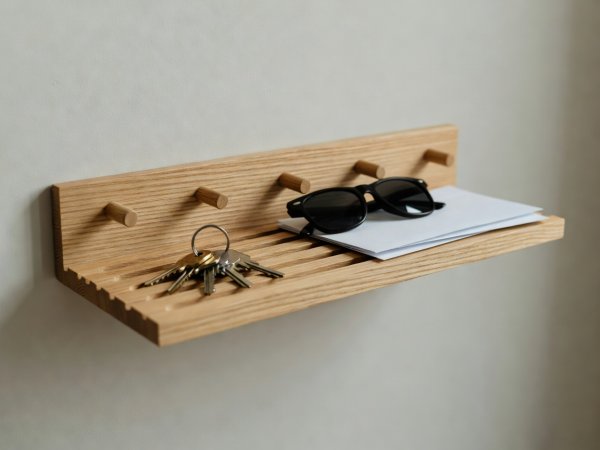
The Pocket-Emptying Ledge
When hands are full, people drop small objects onto the first horizontal plane within arm’s reach of the lock. Mounting a 14 cm deep shelf with a milled lip right beside the doorframe catches house keys, transit cards, lip balm and outgoing post without stealing shoulder room in a narrow hall.
Divide this narrow ledge into two distinct dishes: one oiled birch tray for permanent pocket items (keys, wallet, headphones) and an upright vertical slot for paper envelopes that require action before the weekend.
Elevation Level · 0–45 cm
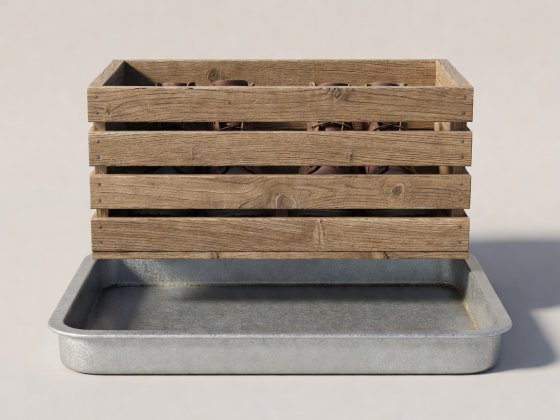
Ventilated Crates and Grit Trays
Sealing damp leather shoes inside an airtight melamine cabinet traps moisture and odours. Instead, pair a low slatted bench with open-sided wooden crates that slide on wool felt pads. Place a removable galvanised steel or ribbed rubber tray directly beneath the lower slat shelf so melted snow and street grit collect in a washable tray rather than staining oak floorboards.
Elevation Level · 205–235 cm
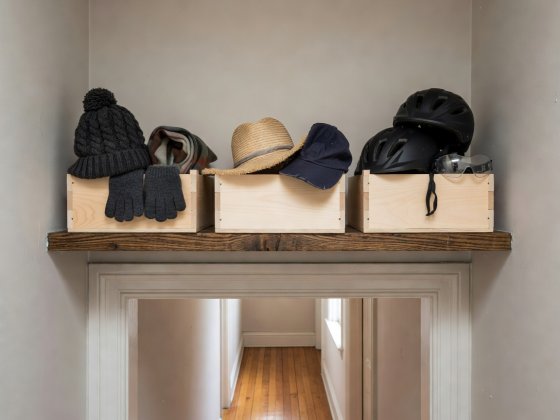
Above-Door Perimeter Shelving
Most older flats have 40 cm of unused vertical wall above the door architrave. Running a continuous 28 cm deep birch plank along this upper perimeter creates generous capacity for bicycle helmets, spare folding umbrellas, picnic blankets and off-season knitwear inside labelled crates.
Three Crate Configurations for Common Hallway Footprints
Before drilling into masonry or timber studs, measure how far your front door swings into the room and mark the floor with low-tack painter’s tape. Every crate system below preserves full door travel.
Config A · 90 cm Recess
Two-Tier Vertical Stack
Two 40 × 30 cm birch crates mounted directly to the wall at 25 cm and 65 cm off the floor. Bottom crate holds everyday trainers; upper crate holds dog leads and reusable shopping totes. Floor stays 100% clear for mopping.
Config B · 150 cm Long Wall
Low Bench + Three Crates
A 42 cm high solid ash bench spanning 120 cm, with three wheeled pine crates nestled underneath. Allows sitting to lace boots while hiding bulky winter gear, sports bags and shoe-care brushes inside separate compartments.
Config C · Zero-Floor Micro Hall
Tilt-Out Wall Pockets
For corridors narrower than 95 cm where floor furniture is impossible: three 18 cm deep birch plywood pockets mounted vertically between 50 cm and 150 cm height for gloves, post, slippers and folding totes.
Keeping the Threshold Calm Across Seasons
Twice a year—around the middle of April and the first frost of October—spend fifteen minutes swapping the contents of the lower bench crates with the high perimeter crates above the door. Heavy woollen scarves, ice grips and thermal insoles move overhead in spring, while canvas espadrilles, sun hats and picnic cloths come down to hand level. Because every crate shares identical external dimensions, you can move the entire wooden box rather than repacking dozens of loose items.
Cookies on this site Some cookies are needed for the site to work. Others help us understand how it is used. You can change your choice later. More about cookies